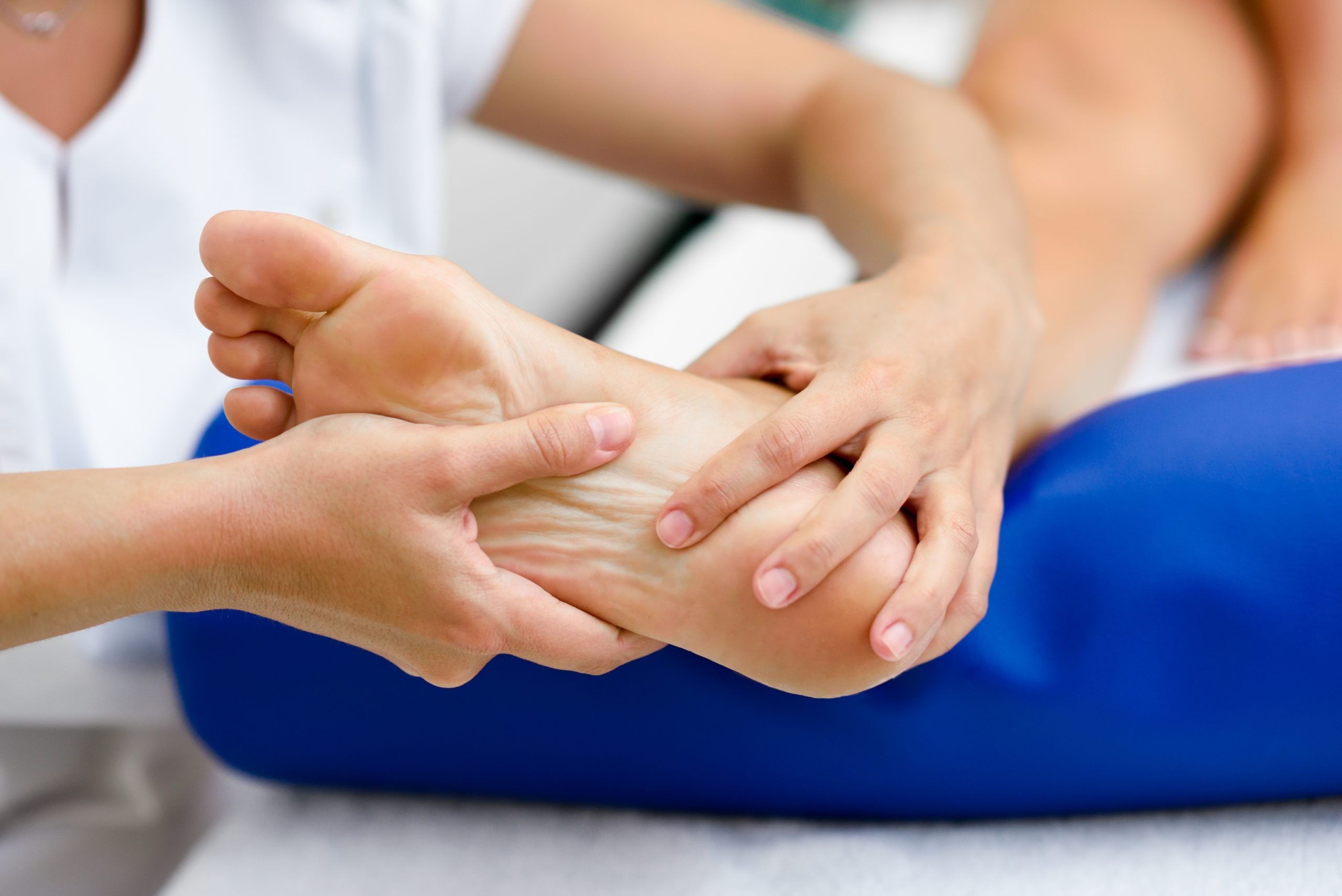
WILMINGTON CHIROPRACTIC OFFICE
Leg Pain
Take the first step towards pain relief with Salt & Spine Chiropractic.
Your legs consist of some of the largest and strongest muscles in your body. Muscle imbalances, weakness, joint dysfunction, and nerve entrapment can lead to symptoms ranging from a slight discomfort to debilitating pain.
The board certified chiropractic physicians at Salt & Spine are ready to help you put some pep back in your step.

Iliotibial Band (IT Band) Pain
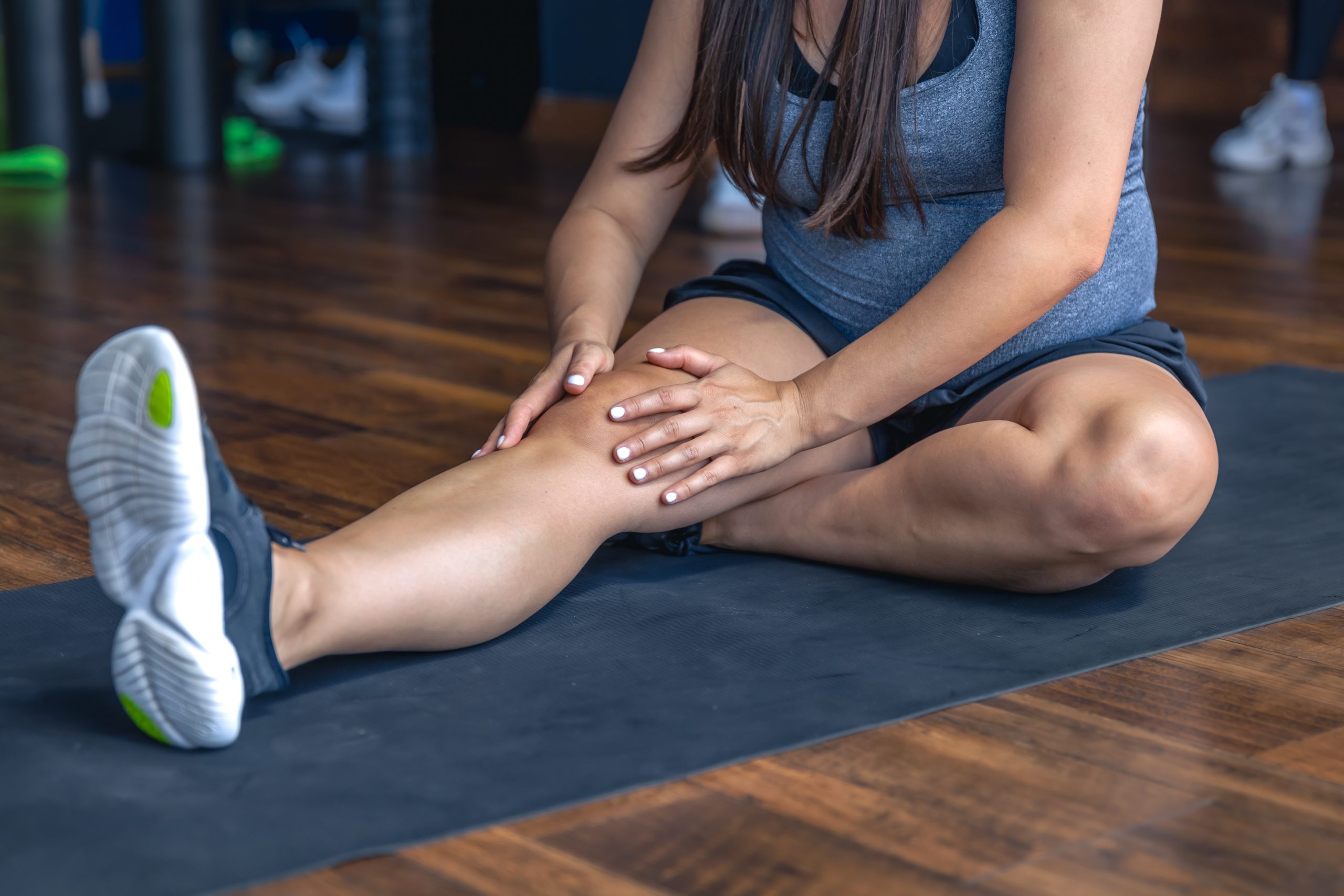
The Iliotibial (IT) band extends from the top of your hip, encases the outer thigh in connective tissue, and attaches to the outside of your knee. When irritated from repetitive motions or overuse, it can lead to discomfort or pain on the outside of the knee or hip and mobility issues. Running, cycling, or even walking can lead to inflammation in the IT band. Uneven roads, collapsed arches, and worn-out shoes can further aggravate pain.
IT Band Syndrome is one of few conditions that involve lateral knee pain as a primary symptom. Other symptoms that could point to IT Band Syndrome include:
- Pain that worsens after aggravating activity.
- Running on an incline
- Climbing stairs
- Climbing hills
- Inconsistent pain that is only triggered by aggravating activities.
- Intense and debilitating pain spanning the lateral knee and thigh.
- The pain may accompany a snapping hip while running or walking.
Chiropractic care offers manual therapy, dry needling, scraping and other rehabilitative practices to relieve pain and correct mobility issues.
Hip Pain
Bursitis is a condition involving inflammation of the bursa, a fluid-filled sac that acts as a cushion. The major hip bursa that can become irritated is covering the bony point of the hip bone. There is another bursa on the groin side of the hip joint that can also become inflamed, although not as commonly.
Risk factors associated with developing bursitis in the hip include:
- Repetitive stress
- Leg length inequalities
- Rheumatoid arthritis
- Prior surgery
- Bone spurs or calcium deposits
- IT Band Syndrome
- Spine disorder (scoliosis, arthritis, etc.)
Symptoms can vary by patient, but the pain typically originates at the point of the hip and extends to the outside of the thigh area. For some, the pain worsens randomly and can be due to both prolonged sitting or squatting. Overuse and chronic improper movement biomechanics can also contribute to the severity of the pain. Experience relief and restore biomechanics with our board-certified chiropractic physicians.

Knee Pain
Runner's Knee
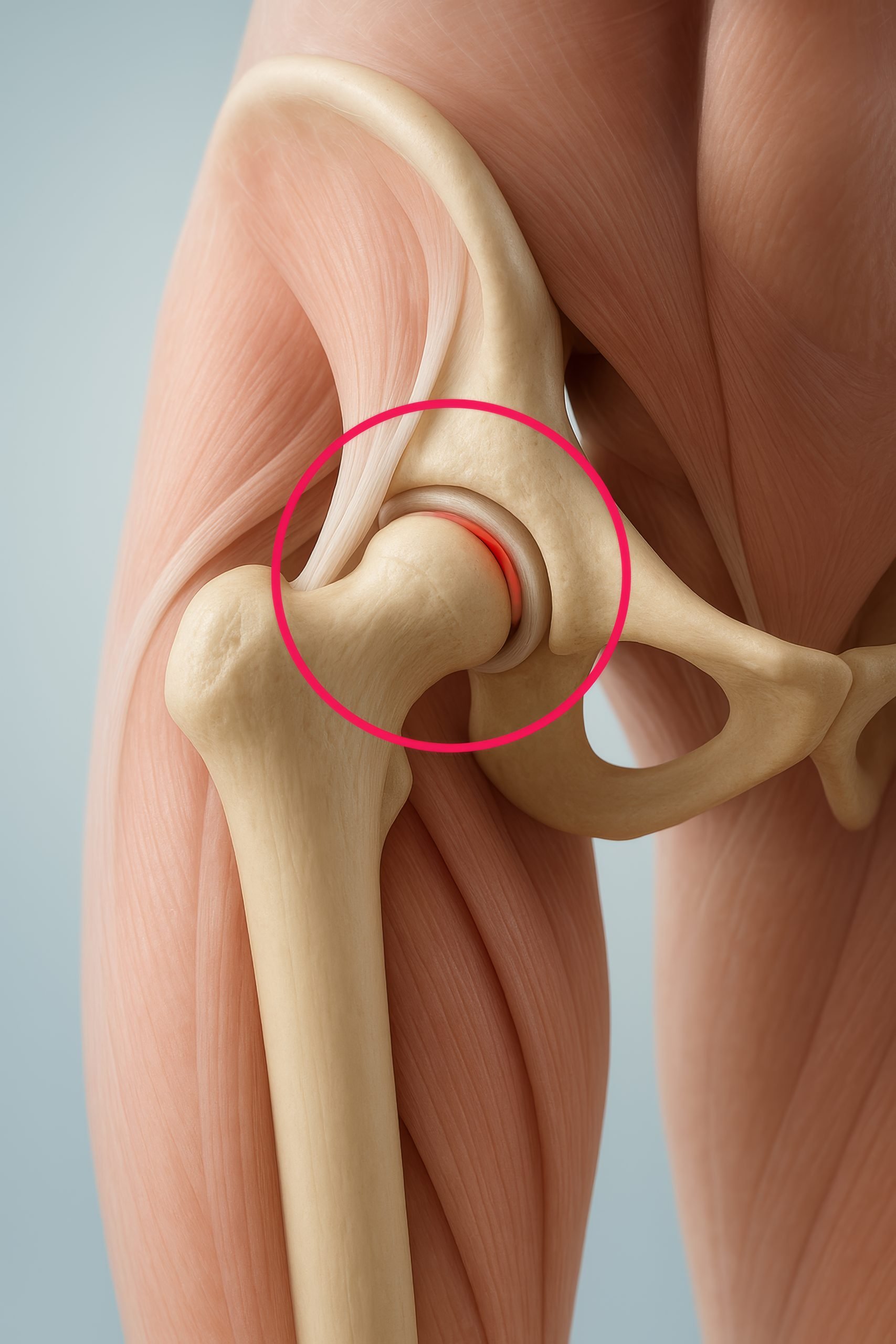
Patellofemoral Pain Syndrome, or Runner's Knee, can arise from a variety of causes. Whether due to structural misalignment of your kneecap, overuse, or injury, Runner's Knee can be painful and frustrating, especially if you're used to being very active.
Symptoms commonly include:
- Pain in and around the kneecap triggered by physical activity.
- Pain in and around the kneecap after sitting for an extended period with knees bent.
- Weakness or pain after straightening legs after long periods of bent knees.
- A kneecap that is tender to the touch.
- Rubbing, grinding, or clicking sound that you can hear or feel.
Jumper's Knee
The patellar tendon connects the kneecap to the shin bone and works with the quadriceps muscles to straighten the knee. An injury to this tendon, commonly through excessive jumping, is called patellar tendonitis, or Jumper's Knee. The repeated stress common in sports like basketball and volleyball creates minuscule tears in the tendon that can lead to a weakened tendon.
Jumper's Knee is a common overuse injury linked to physical activity more than 20 hours a week in high impact exercises. Chronic illnesses, muscular imbalances, and tight thigh muscles can make you more likely to develop patellar tendonitis.
Ankle/Foot Pain
Plantar Fasciitis
The plantar fascia is strong connective tissue that runs from your heel to the ball of your foot and toes. It functions to support the arches in your feet and connects the bones in your foot. It also serves to distribute pressure in the foot between the static and dynamic movements of walking or running. Plantar fasciitis occurs from overuse or overstretching, the physical shape of the foot, wearing improper footwear, or even new activity that your foot may not be familiar with.. The inflammation that develops as a result makes it painful to walk and sometimes stand. The most common symptoms include:
- pain in the heel
- pain in the arch
- swelling around your heel
- a tight Achilles tendon
Ankle Sprains
Your ankle is supported by tough bands of tissue called ligaments. They stabilize joints and prevent harmful movement. An ankle sprain happens when you roll or twist your ankle in an atypical way. The awkward movement can stretch or tear the ligaments in your ankle. A sprain is usually characterized by pain, tenderness, swelling, bruising, and limited range of motion. Some also experience balance issues and weakness in the ankle joint. Our board certified chiropractic physicians can aid in your rehabilitation to full mobility and balance.
*there are no guarantees or cures noted with any chiropractic treatment